
Emma, a 32‑year‑old Londoner, was stuck in a 45‑minute tube ride when her phone buzzed with a notification: “New level unlocked in Pixel Quest.” She glanced at the screen, shrugged, and started playing. By the time the train dropped her off, she’d beaten her personal best by 1,200 points. What started as a casual distraction turned into a revelation about how mobile games are reshaping what people in the UK consider entertainment.
In the UK, the average smartphone user spends about 3 hours and 15 minutes on their device each day. Of that time, roughly 25 % is devoted to gaming. That’s more than 45 minutes daily per person, or 4 hours a week per household. The numbers show that mobile games are no longer niche; they’re a mainstream leisure activity.
Unlike traditional console titles that require a dedicated space and a power outlet, mobile games fit into the pockets of commuters, supermarket lines, and even the waiting room at a dentist’s office. The portability means that entertainment can be accessed whenever the brain needs a quick break, making the line between “work” and “play” increasingly blurry.
When the UK’s first indie studio, Starlight Games, released its free‑to‑play title Astro Dash in 2019, it generated over £1.2 million in micro‑transaction revenue within six months. Today, the UK accounts for 12 % of the global mobile gaming market, with the domestic spend projected to hit £4.3 billion by 2025.
Major publishers such as Electronic Arts and Ubisoft have responded by launching mobile‑first franchises. For instance, Ubisoft’s Assassin’s Creed: Rebellion launched on Android and iOS in 2022 and surpassed 10 million downloads in its first quarter, proving that high‑budget storytelling can thrive on a smartphone screen.
Mobile games often feature built‑in social layers: leaderboards, guilds, and real‑time chat. A study by the University of Oxford found that 68 % of UK players report that these features increase their sense of community. In practice, this means that a casual game can become a social hub, replacing traditional pub nights for some.
However, the same social features can also be a double‑edged sword. Players who join public lobbies may encounter harassment or predatory behavior, a problem that developers are still grappling with. The community guidelines for most major titles are now explicitly designed to flag abusive language and enforce bans within 24 hours.
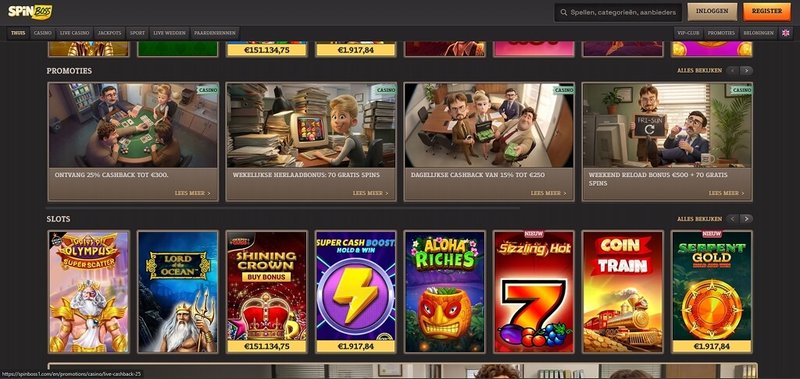
The same interactive thrill has even spilled over into online casino platforms, where players can now Spinboss spin and win with the same excitement.
Live events are no longer confined to esports arenas. In 2023, the UK’s largest mobile game, Battle Royale: Skyfall, hosted a 48‑hour global tournament with a prize pool of £500,000. Players streamed the event on Twitch, drawing an audience of 250,000 concurrent viewers. The event demonstrated that mobile platforms can support large‑scale, real‑time competitions that rival traditional sports broadcasts.
Moreover, game developers are experimenting with augmented reality (AR) experiences that blend the physical and digital worlds. In Manchester, a local art gallery installed an AR scavenger hunt that guided visitors through exhibits using their phones, turning a museum visit into an interactive game.
While the convenience of mobile gaming is undeniable, it raises questions about screen time and mental health. The Royal College of Psychiatrists reports that excessive gaming correlates with increased anxiety in adolescents. As a result, many UK schools are incorporating digital literacy lessons that teach students how to balance gaming with other activities.
On the positive side, mobile games designed for mindfulness, such as Calm Quest, have been shown to reduce stress levels by 15 % in users who play for 10 minutes daily. These apps illustrate that mobile entertainment can also be a tool for well‑being.
For those who want to test their skills against seasoned players, the line between casual mobile gaming and serious online competition is blurring. Spinboss offers a platform where fans of both worlds can converge, providing a space to explore new titles and engage with a community that appreciates the depth of mobile gaming. The site hosts forums, live streams, and developer Q&A sessions, making it a hub for anyone interested in the evolving landscape.
5G rollout across the UK will reduce latency to under 20 ms for many users, making real‑time multiplayer on mobile as smooth as on a console. Coupled with AI‑driven personalization, future games could adapt narratives to a player’s mood or location, creating a truly immersive experience.
Meanwhile, regulatory bodies are tightening data privacy rules, meaning developers must be more transparent about how they collect and use player data. The industry’s response will shape how trust is built between players and publishers.
Mobile gaming has moved from a niche pastime to a dominant force in UK entertainment. It offers convenience, community, and even competitive depth, all wrapped in a pocket‑sized package. As the technology advances and the market matures, the next wave of innovation will likely blur the boundaries even further, turning every walk, commute, and lunch break into an opportunity for play.


